The item was successfully added to your cart
790, Avenue Lexington, Westmount, H3Y 1L1, Canada hello@purityhats.com
14033521670 Premium Millinery
Millinery Heritage

The History of the Bowler Hat

From Victorian gamekeepers to Wall Street bankers and modern fashion icons: tracing two centuries of the dome-crowned classic.

July 10, 2026 • By James T. • 6 min read • Millinery History
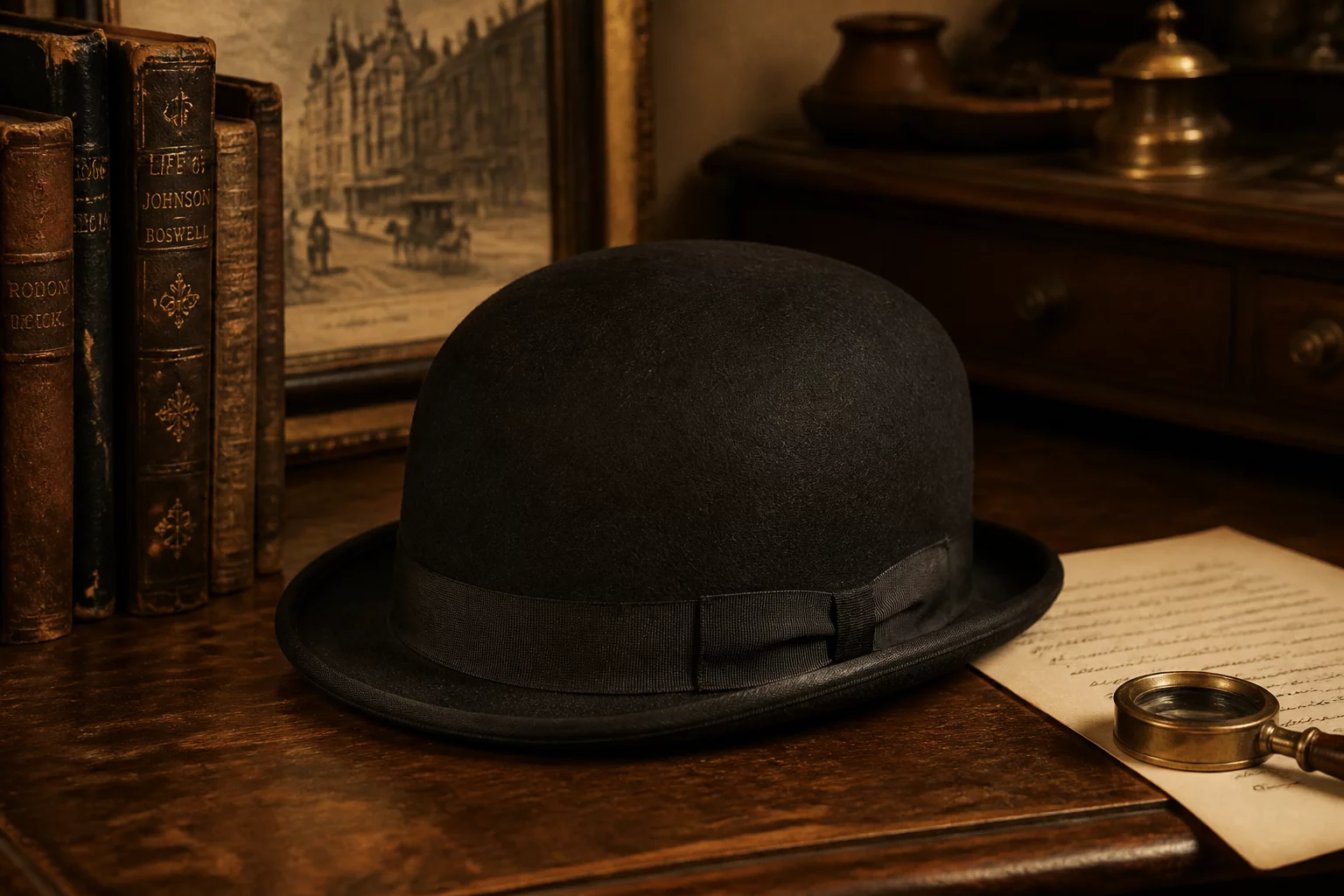
The History of the Bowler Hat Heritage Masterpiece
Origins & Design

The Birth of an Unbreakable Silhouette

In 1849, London hatmaker Lock & Co. commissioned brothers Thomas and William Bowler to engineer a durable, low-crowned hat designed to protect Norfolk gamekeepers on horseback from low-hanging branches. Traditional tall silk top hats were repeatedly knocked off during forest patrols, which created a need for a reinforced hard-felt construction that quickly reshaped headwear history across the globe.

Fast Historical Facts

Origin Year
1849 (London, England)
Original Inventors
Thomas & William Bowler
Primary Material
Hardened Shellac Fur Felt
Alternative Names
Derby Hat, Coke, Bob Hat

Gamekeepers quickly adopted the low-profile dome, followed by British working men and eventually City of London professionals who paired it with charcoal overcoats.

  • Shellac-stiffened crown withstands impact and heavy rainfall
  • Standard uniform for British financiers and civil servants

In North America, the bowler was renamed the Derby and surpassed wide-brim cowboy hats in actual frontier usage because it stayed firmly in place during high prairie winds.

  • Favored by railroad workers, frontier lawmen, and outlaws
  • Worn by legendary figures including Butch Cassidy and Bat Masterson

Today, the bowler hat represents cinematic charm and bespoke heritage, favored by vintage collectors and contemporary runway designers worldwide.

  • Adds tailored distinction to wool overcoats and structured waistcoats
  • Celebrated in regional cultural traditions including Bolivian cholita fashion
The bowler proved that a utilitarian headpiece could bridge social boundaries to become the most recognizable silhouette in British tailoring history.
— London Millinery Gazette Archive
Cultural Impact

From Utilitarian Protection to High Society Symbolism

The bowler hat gained its signature rigidity through an ingenious process involving gossamer fabric steeped in a shellac alcohol solution. This compound cured into a rock-hard dome that retained its shape under significant physical strain. While upper-class gentlemen in the mid-19th century initially dismissed felt headwear in favor of silk toppers, the practical resilience of the bowler rapidly made it indispensable across bustling Victorian railway stations and industrial workshops.

By the early 20th century, the bowler became the badge of respectability in the City of London, where bankers, civil servants, and solicitors wore it alongside bespoke pinstripe suits and rolled umbrellas. Meanwhile, in fine art and cinema, René Magritte immortalized the hat in iconic surrealist paintings like The Son of Man, while Charlie Chaplin utilized its rounded silhouette to convey vulnerability and timeless comedy in his Little Tramp character.

How to Wear and Preserve a Bowler Hat

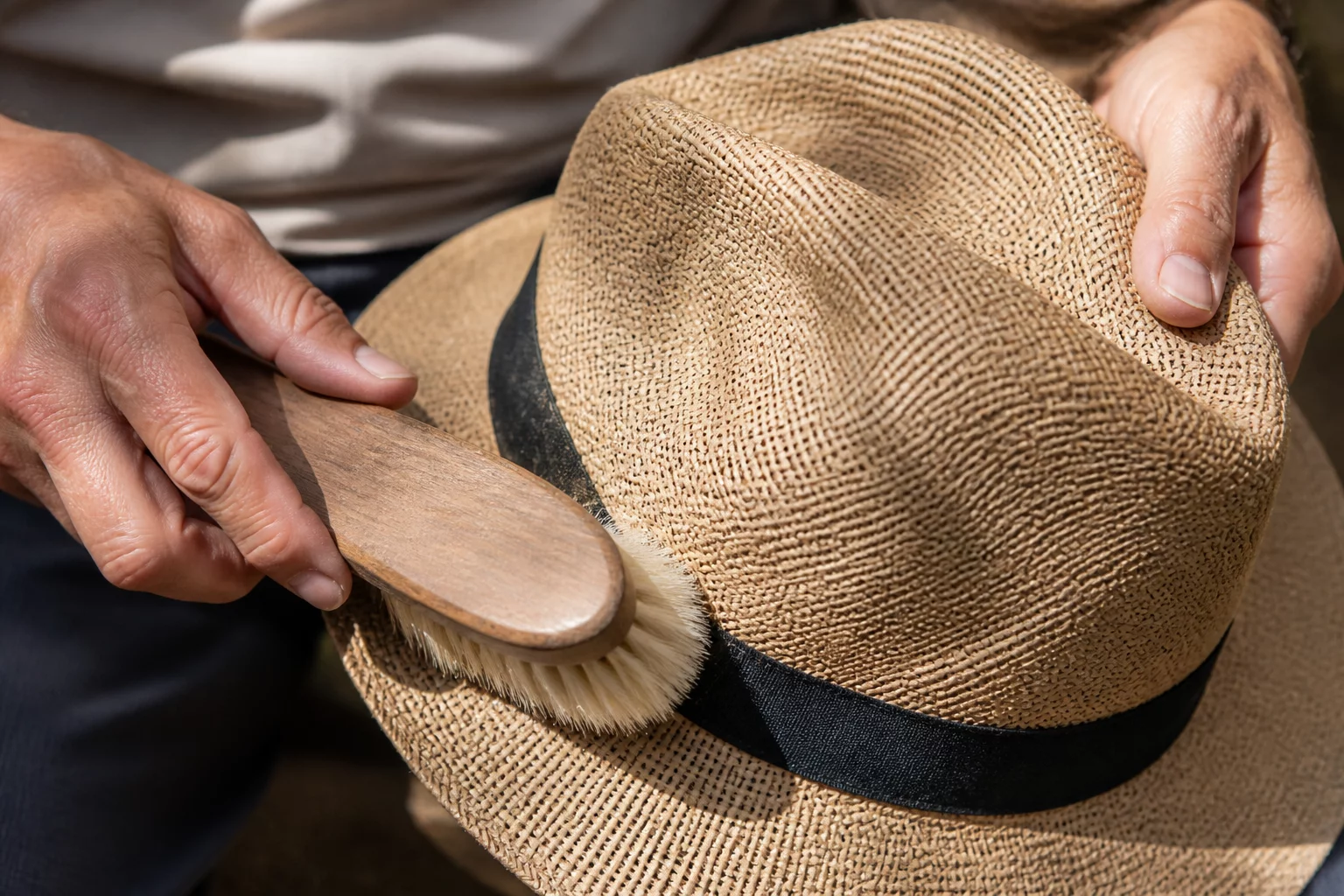
Position the bowler straight on your head or with a subtle forward angle. Store it upside down on its crown or upon an elevated rounded hat block inside a hat box to protect the curved pencil-roll brim from flattening under pressure.

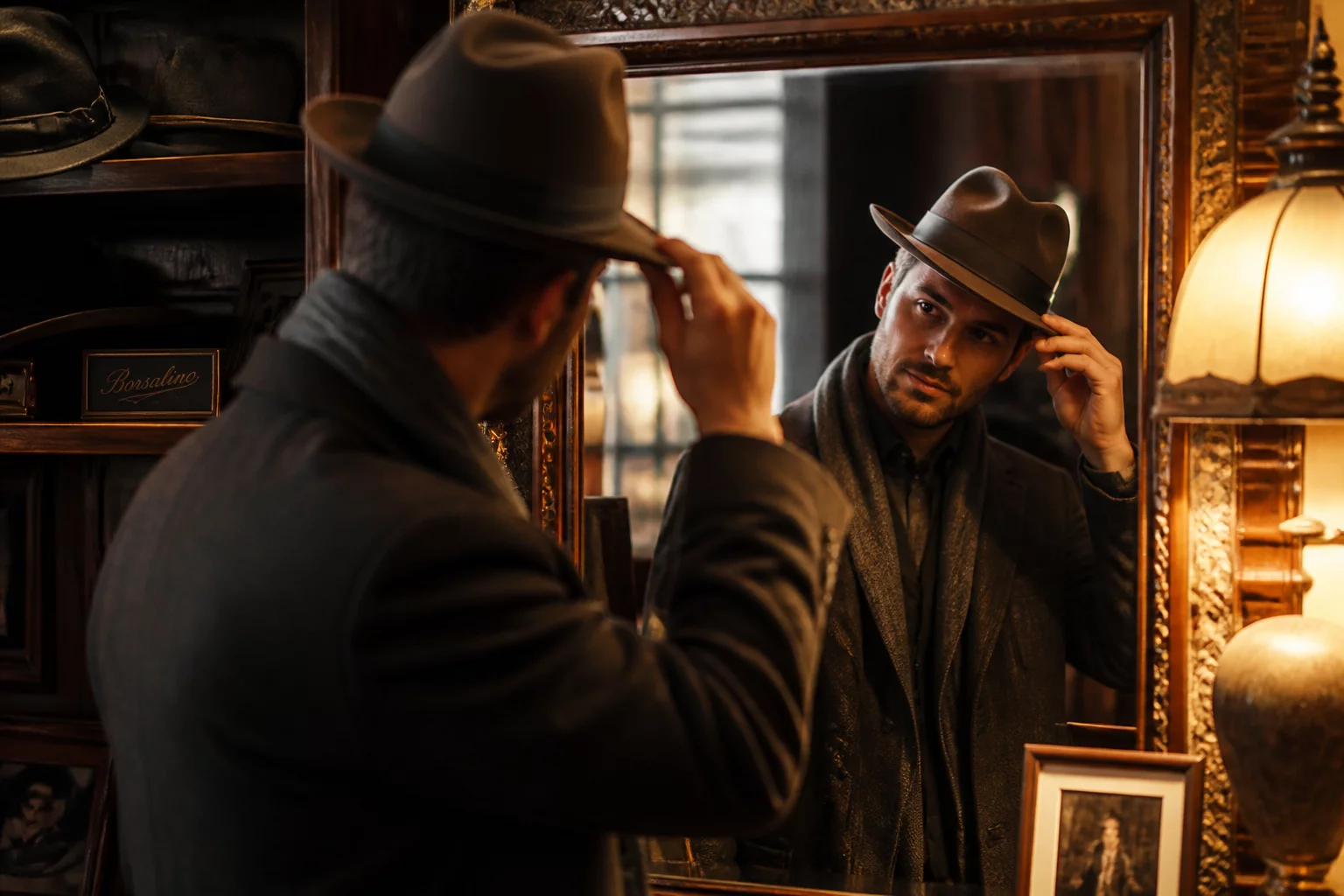
When styling a bowler in contemporary settings, pair it with structured wool overcoats, vintage tweed waistcoats, or clean modern tailoring rather than costume pieces. Its distinct domed architecture immediately commands attention, making it an assertive choice for those who value heritage craftsmanship and millinery character.
JT

James T.

Millinery Historian

James specializes in 19th-century headwear history, archival tailoring, and the preservation of artisanal felt-making techniques.

Heritage Collection

Discover Handcrafted Classic Headwear

Explore our collection of vintage bowler hats, handcrafted fedoras, and bespoke millinery care essentials.

Reader Community

Reader Reflections & Questions

Join the millinery conversation and share your styling impressions.

Oliver C.
Verified Reader
12/07/2026 • Style Guide Critique
5.0 / 5.0

Fascinating history. The transition from gamekeeper protection to formal British financial dress is an incredible example of functional design winning out over pure tradition.

William D.
Verified Reader
14/07/2026 • Replied to Oliver C.
Reader Response

I love vintage styles. The details on shellac stiffening really explain why these vintage bowlers have survived over a century in antique collections.

Leave Your Thoughts

5.0 / 5.0